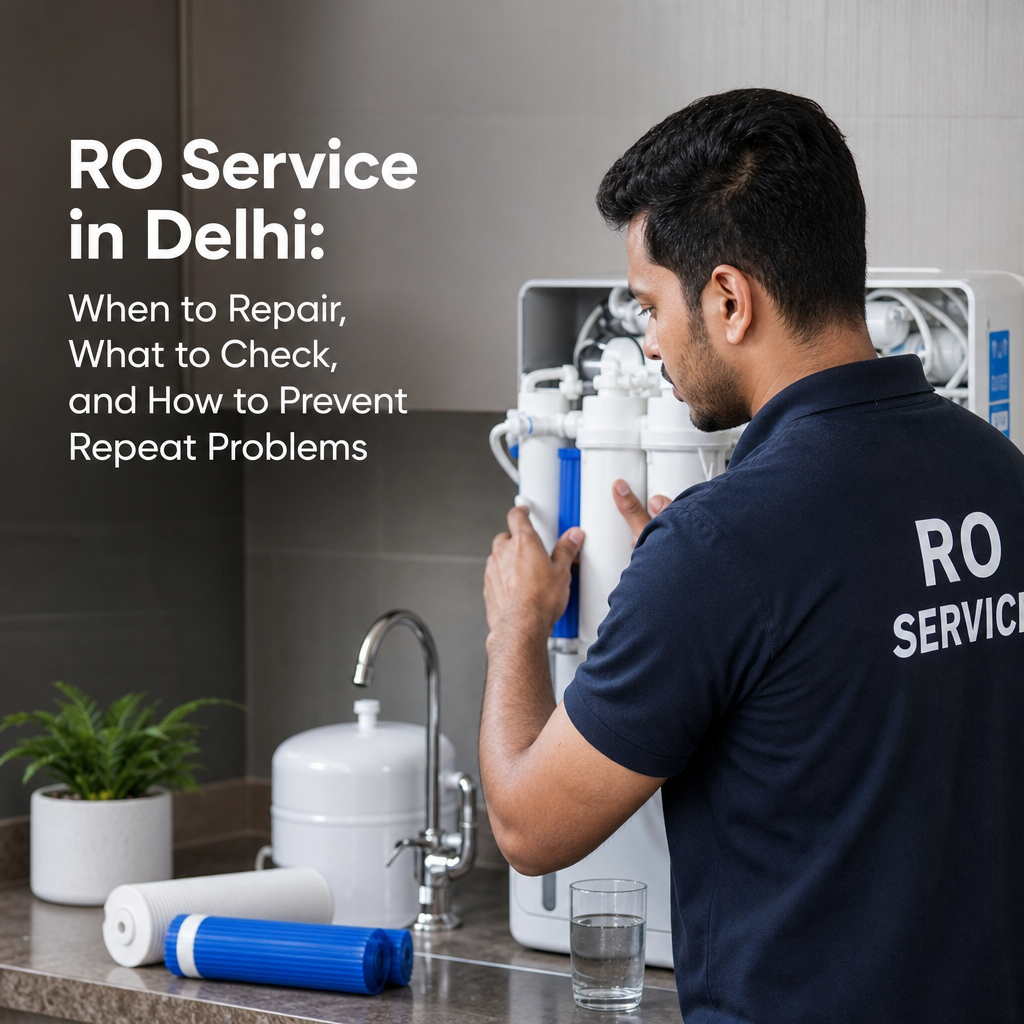
If you’ve searched for RO service in Delhi, you’re probably dealing with one (or more) of these concerns: low water output, bad taste, frequent filter changes, water leakage, or the RO system not producing water at all. In a city where water quality can vary and power fluctuations are common, RO maintenance isn’t optional—it’s how you keep your purifier working safely and efficiently.
This guide breaks down the most common RO issues, what they usually mean, what you can check at home, and when it’s time to book professional RO service—so you can avoid bigger, costlier failures later.
---
Why RO Purifiers Need Regular Service (Not Just Filter Changes)
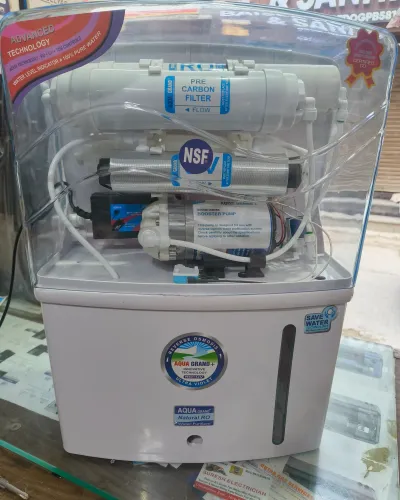
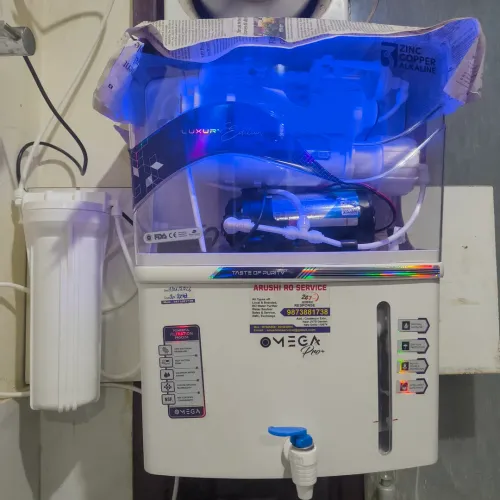
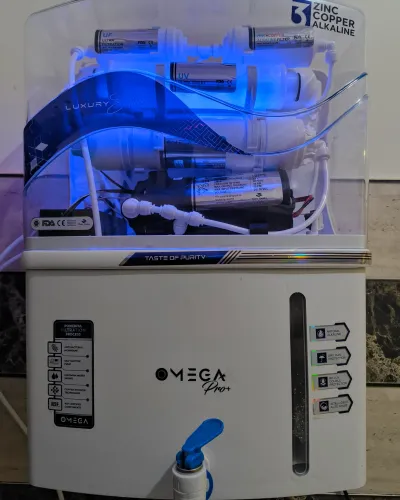
An RO system is more than filters. It’s a combined process of:
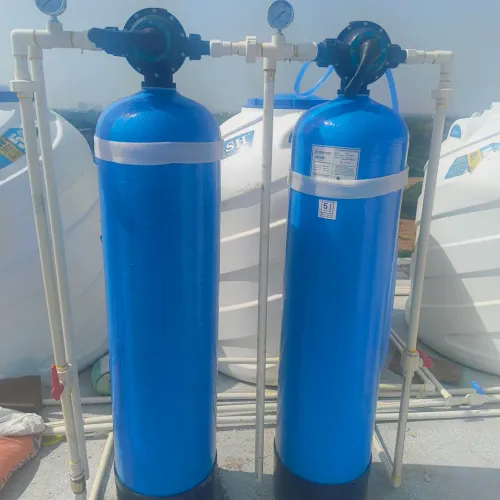
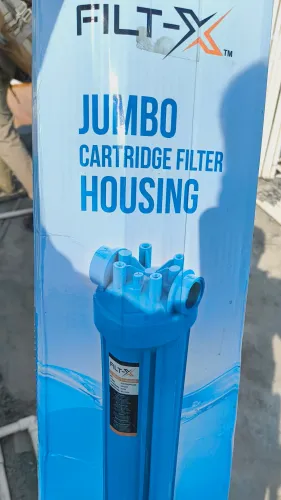
- Pre-filtration (sediment and carbon stages)
- RO membrane (the core purification step)
- Post-treatment (like UV where applicable)
- Storage tank + pump pressure
- Valves, wiring, flow restrictors, and sensors
Over time, wear and clogging happen due to:
- sediment buildup
- membrane scaling
- membrane aging
- incorrect water pressure
- leaky fittings or tank issues
- power surges or component wear
Regular servicing ensures the system is cleaned, calibrated, and inspected before symptoms turn into complete breakdowns.
---
Common Signs You Need RO Service (Delhi Home Checklist)
1) RO water tastes/smells strange
Possible causes
- Carbon filter exhausted
- Membrane weakening
- Stagnant water in the storage tank
- Incorrect TDS balance after servicing
What to do
- Check if taste changed suddenly (often points to a specific component failure).
- If taste + TDS reading both show unusual results, it’s time for inspection.
---
2) Low water output or slow filling
Possible causes
- Pre-filter clogged
- RO membrane scaling
- Booster pump weak or not running properly
- Flow restrictor or tubing issue
- Low input water pressure
Quick checks
- Is input water pressure normal?
- Are you hearing unusual pump behavior?
If output stays low even after a short period, servicing is usually required.
---
3) RO system makes water but doesn’t store / frequent draining
Possible causes
- Storage tank not sealing properly
- Pressure switch or tank pressure related faults
- Solenoid valve issues
- Leak in lines
This issue can waste water and prevent you from getting usable storage.
---
4) Water leakage (under the unit or around fittings)
Possible causes
- Loose connectors or worn tubing
- Damaged storage tank valve
- Leak from RO membrane housing
- Loose drain line connection
Important: Don’t ignore leaks. Small leaks can damage electrical parts and cause humid conditions inside the cabinet.
---
5) Frequent “stop/start” cycles or system not running
Possible causes
- Electrical fault (wiring, switch, PCB)
- Overload protection triggering
- Sensor malfunction
- Membrane or flow fault causing the system to fail pressure thresholds
For safety and correct diagnosis, this is best handled by a technician.
---
Key RO Components and What They Do (So You Can Explain the Problem)
Understanding the parts helps you communicate better when booking RO service:
- Sediment filter: Removes sand/rust/particles to protect the RO membrane.
- Carbon filter: Reduces chlorine/odor and protects taste and membrane life.
- RO membrane: Performs the main purification by removing dissolved salts.
- SMPS/Transformer (where used): Supplies stable power to components.
- Pump/booster: Provides pressure for RO filtration.
- Flow restrictor: Controls reject water and membrane recovery.
- Solenoid/valves: Direct flow during purification stages.
- TDS sensor / controller (where present): Helps monitor water quality and system operation.
---
Delhi-Specific Factors That Affect RO Performance
1) Water pressure variations
Some days you may get stable pressure, and other days it dips. RO systems depend on consistent input pressure—too low can cause poor filtration and slow output.
2) Scaling risk (hard water)
Hard water forms scale on the membrane, reducing efficiency and increasing rejected water. This often appears as:
- rising TDS in RO output
- slower production
- frequent cleaning needs
3) Power fluctuations
RO systems can be sensitive to voltage changes. A faulty connection or power surge may damage components like the PCB or sensors over time.
---
DIY Checks You Can Do Safely (Before Calling Service)
You can do basic checks without opening the system:
- Observe output rate: Is it slower than usual?
- Listen to pump behavior: Is it running continuously or repeatedly clicking?
- Check for visible leaks: Under the unit and around pipes/fitments.
- Inspect the faucet and storage tank taps: Sometimes the issue is a valve not opening fully.
- Note changes in taste/smell: Sudden shifts matter.
- Record TDS values (if you have a meter):
- Raw water TDS
- RO output TDS
Avoid removing housings, changing membrane components, or tampering with electrical connections.
---
When You Should Stop “Waiting It Out”
Delay can lead to:
- membrane damage (scaling or improper filtration)
- higher water rejection
- unpleasant taste continuing
- leaks causing bigger repairs
Consider booking service immediately if you notice:
- persistent leakage
- burning smell, sparking, or repeated electrical trips
- RO not producing water at all
- continuous draining or tank not filling
---
How Often Should RO Filters Be Changed in Delhi?
A common question: “How many months before I should change filters?”
There’s no universal answer, because it depends on:
- inlet water quality
- household usage
- local hardness and sediment load
- whether the system runs daily
That said, many households typically replace:
- pre-filters more frequently than the membrane
- carbon at intervals based on taste/odor and performance
- RO membrane based on output TDS trend and recovery rate
The best approach is not only calendar-based—it’s performance-based. A technician should assess the system condition and recommend replacement accordingly.
---
What to Expect During a Proper RO Service Visit
A good service typically includes:
- Checking input pressure and system flow
- Inspecting filters and lines for clogging/leaks
- Testing TDS (raw vs RO output)
- Cleaning where applicable (pre-filters, flow paths, and components)
- Checking pump, valves, sensors, and connections
- Ensuring correct installation and tight fittings after any part work
- Suggesting a realistic maintenance schedule based on your usage
If the visit skips testing and only replaces parts, the root cause might return quickly.
---
Common RO Service Misconceptions (That Cost More Later)
Misconception 1: “Only filter change is enough.”
Reality: Many issues come from membrane aging, scaling, pump/valve faults, or sensor/controller problems.
Misconception 2: “TDS low = RO is always working perfectly.”
Reality: TDS readings can be influenced by membrane condition, flushing routine, and sensor calibration. Performance trends matter.
Misconception 3: “If water tastes okay, there’s no issue.”
Reality: Taste may mask ongoing mechanical problems like slow output or rising rejected water.
---
A Practical Example: Why Local Service Matters in Delhi
In Delhi, the same RO model can behave very differently depending on apartment water pressure, hard-water levels, and how often the purifier runs. For many residents, professional troubleshooting becomes important when symptoms persist—like low output combined with rising TDS.
This is where local expertise and timely doorstep support help reduce downtime. For example, if you’re looking for RO service in Delhi and want technicians available for troubleshooting and repair, Arushi Ro Service is one option people consider (Delhi contact details and service availability are available through their website, arushiroservice.com, and phone number listed there: 9873881738).
(You can use this as a reference point—but always ensure the technician tests performance and explains the cause before replacing parts.)
---
Quick Checklist Before Booking RO Service
When you contact a technician, keep these ready:
- RO brand/model (if known)
- Issue type: taste, low output, leak, non-working, frequent draining
- Approx. how long the problem has been happening
- Any TDS readings you’ve taken (raw vs RO)
- Whether input water pressure is stable
- Photos of leaks (if any)
This helps faster diagnosis and reduces repeated visits.
---
Final Takeaway
A functioning RO system in Delhi depends on more than filters—it needs periodic inspection of pressure, flow, membrane health, and component condition. If you’re seeing taste changes, slow output, leakage, or abnormal drainage, don’t wait too long; timely RO service prevents membrane damage and keeps your water reliable.
If you want, tell me your current symptoms (e.g., low output, bad taste, leakage, TDS values) and your RO brand/model, and I’ll help you narrow down the most likely causes and what to ask during service.
Keywords